Let’s talk protein!
What is protein?
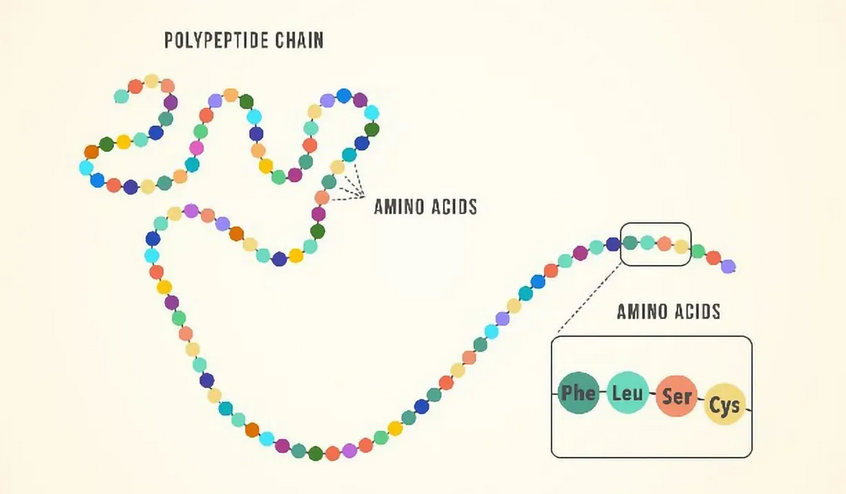
Protein is a macronutrient found in your body made up of chains of amino acids. They facilitate gene transcription and translation which allows your body to produce the molecules and new proteins it needs to function. Alongside this, they play a huge role in strengthening your immune system, sending important chemical signals, transporting all kinds of molecules to where they need to go in the body, and providing overall structure and strength to all your body cells, tissues and muscles.
Why is it important in terms of muscle growth and athletic performance?
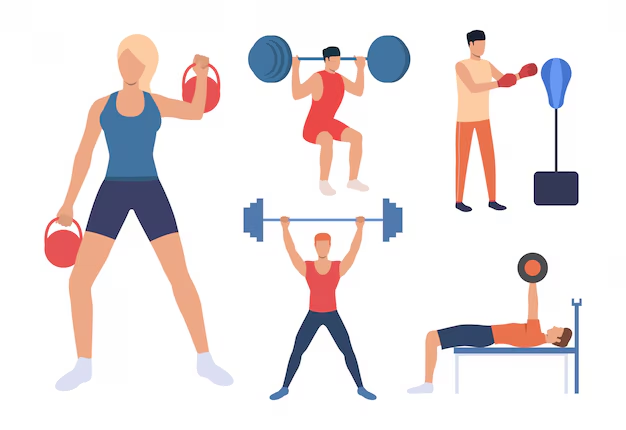
Protein is THE primary building-block for building muscle in the body. Another crucial function in that it is needed for muscle repair and growth, as well as improving any kind of athletic performance. This is why it is highlighted in many strength-related and sporting activities and fields. It is also important for fast and productive recovery, especially for those wanting to increase their muscle mass, and with it, their strength.
To elaborate further on how this works, intense physical exercise and resistance-training results in your muscles undergoing micro-traumas (a good kind). Satellite cells activate on the outside of your muscle fibers in response to this, joining together as they work to repair this damage. It is during this process that muscle growth occurs.
In conclusion, if you are doing a lot of exercise and strength-training and not eating enough protein, your muscle soreness and recovery period will be prolonged, and the growth you are trying to achieve will be delayed. Good nutrition, including sufficient protein, is key for helping your body function optimally. It ensures that you have enough energy and don’t get sick from physical stress (or just flu-season) and making sure you get to see the results of hard work.
How much protein should I be eating per day?
This is determined by a variety of factors- mainly body weight, activity levels, and other factors such as age and sex. The recommended daily allowance (RDA) is defined by the NIH as “a measure of the average daily nutrient level that is sufficient to meet the nutrient requirements of nearly all individuals in a specific life stage and gender group”.
According to Harvard Health, the RDA for protein is at least 0,8 grams per kilogram of body weight . For example, if you weigh 70 kilograms, your ideal protein consumption per day would be 56 grams. For those who are more active and want to build muscle, the NIH recommends 1,2 to 2 grams of protein per kilogram of body weight.
I hope you come away from reading this article with a bit more of an understanding of what protein is and the importance of its role in our daily diet. Happy fuelling!
References: https://my.clevelandclinic.org/health/body/proteins, https://www.healthline.com/health/how-long-does-it-take-to-build-muscle?fbclid=PAdGRleAOi81ZleHRuA2FlbQIxMQBzcnRjBmFwcF9pZA8xMjQwMjQ1NzQyODc0MTQAAaeuVgGbcSwkVisGQC9_DG4r5wUraDH8iUzp3BACsIGrnYsJA0Po9tuTHJayLw_aem_zBbjR0iOV9DbpM0LZ9LHBQ


